Next.js agency for fast, scalable platforms
We migrate, build, and stabilize Next.js sites — with a clear roadmap, dedicated owners, and measurable outcomes.
Note: The free audit is only available via the form. Direct bookings don’t include it.
Fast load times & clean Google signals—without release freezes.
Predictable roadmap: start in 2 weeks, go-live in 6–10 weeks.
Trusted by teams across the DACH region
Selected projects from SaaS, insurance and events.




Frequently asked questions about a Next.js agency
Answers on architecture, timeline, costs and operations. Project-specific questions are covered in a 30-minute tech check—including an initial assessment.
What does a Next.js project cost?
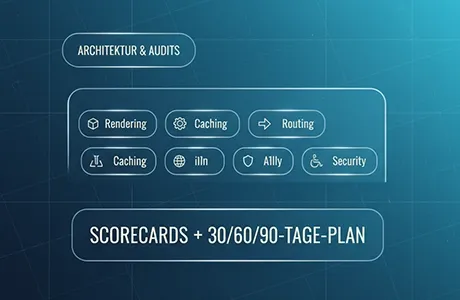
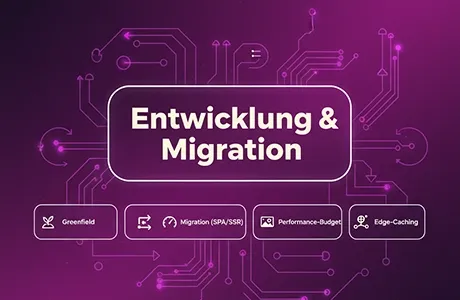
It depends on scope and starting point (greenfield vs. migration). Typical approach: fixed-price architecture/performance audit first, then delivery in sprints or via retainer. For mid-size MVPs, clients often plan 6–10 weeks with a transparent 30/60/90-day plan.
How fast can we go live with an MVP?
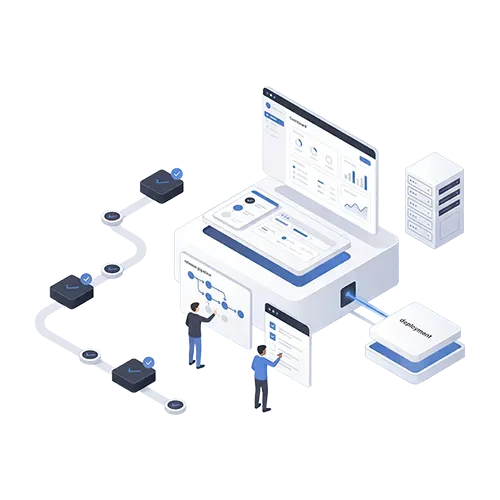
With defined scope and ready designs, a realistic window is 6–10 weeks. We start with Sprint 0 (CI/CD, monitoring, feature flags), ship core templates first and go live via a canary rollout to reduce risk.
App Router, RSC, ISR—do we really need them?
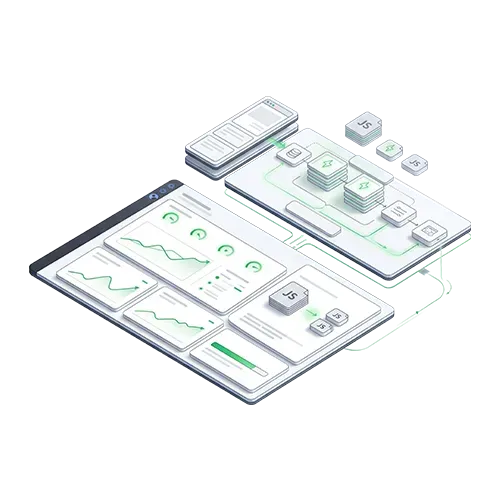
Not every page benefits equally. We decide per page type (landing, listing, detail, account) whether RSC/SSR/ISR/SSG is appropriate, and set freshness goals and revalidation. The aim: stable CWV (esp. INP/LCP) with minimal complexity.
Which headless CMSs make sense?
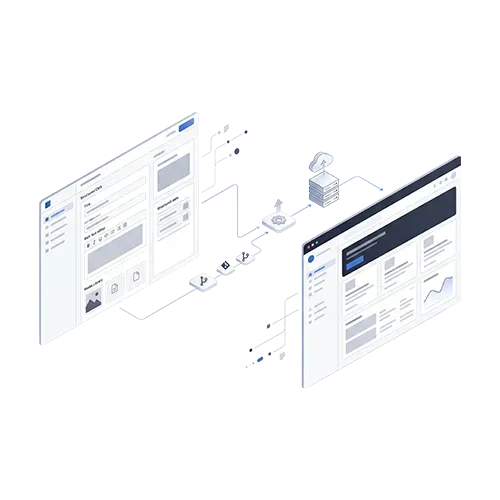
It depends on team, budget, and workflows: Strapi offers full control (self-hosted), Contentful provides robust enterprise workflows (at a higher cost), Headless WordPress enables a quick editorial start (with more maintenance), and Sanity is highly flexible (developer-first).
We help you choose the right CMS for your team — get in touch for tailored advice.
How do you improve Core Web Vitals (INP/LCP/CLS)?
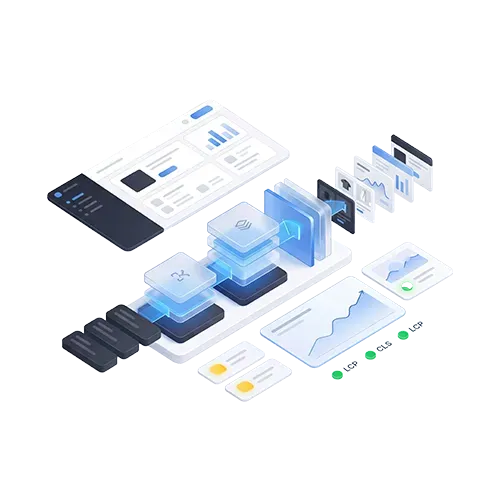
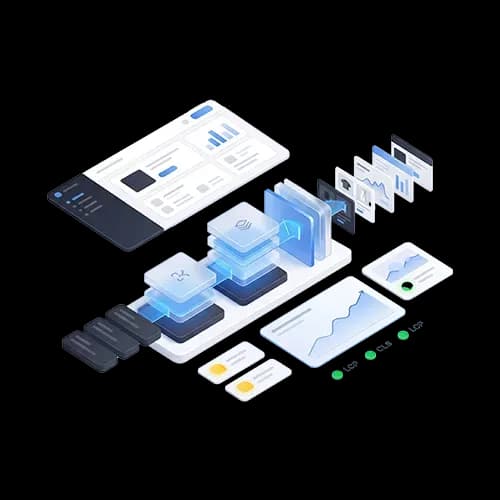
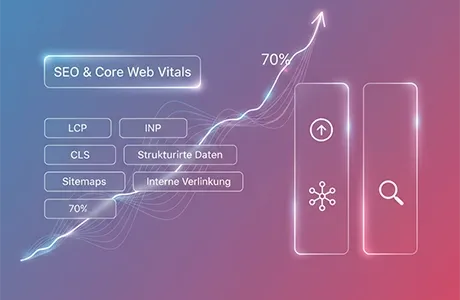
A mix of rendering strategy, image pipelines, code splitting and a strict third-party budget. We also capture RUM data (real users) and ensure freshness via edge caching/ISR. Target values: LCP < 2.5 s, INP P75 < 200 ms.
How does a migration to the App Router work?
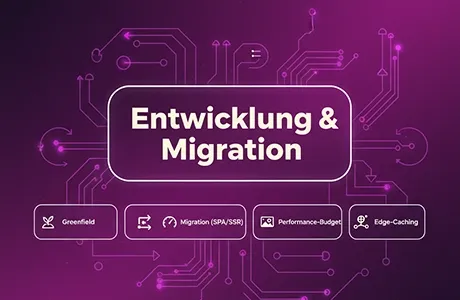
Audit + rendering matrix first, then stepwise migration behind feature flags. Critical templates first, in parallel we harden observability and rollback. Go-live is incremental (canary) with metric guardians.
Do you support e-commerce & internationalization?
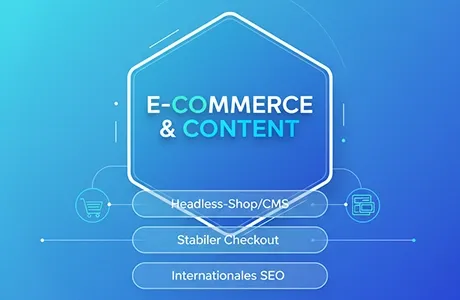
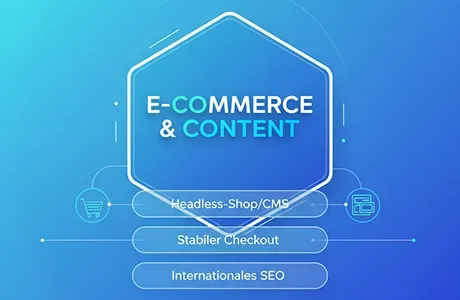
Yes: headless shops, fast checkouts, hreflang/i18n, clean URL schemes and indexation controls. Consistent canonicals, structured data and market-specific caching are key.
How is success measured?
Shared KPIs: CWV (LCP/INP/CLS), indexation rate, organic traffic/CTR and conversion metrics. Reporting ties back to goals and a prioritized action list (impact/effort).